Sprints 0–6B Shipped — Recovery Algorithm Live Sprint 7 In Progress — Plan Customization Algorithm-Driven Programming · No AI-Generated Plans iOS + Android · Targeting Q2 2027 Sprints 0–6B Shipped — Recovery Algorithm Live Sprint 7 In Progress — Plan Customization Algorithm-Driven Programming · No AI-Generated Plans iOS + Android · Targeting Q2 2027
Targeting Q2 2027 · iOS + Android · v0.1.0

Mass. Motion. One athlete.

The training app for athletes who run and lift. A programming algorithm that balances both disciplines — so heavy leg day never lands before your long run, and easy miles never become a junk-training trap.

Private beta · TestFlight + Play beta first No spam · unsubscribe anytime
● NEW PR Back Squat 285 × 5
● ZONE 2 HR 142 · 5:41/km
§01 — Features

Everything you need to train like a hybrid athlete.

Built from the ground up for athletes who refuse to choose between the barbell and the trail. Every feature reinforces the other.

01 / 12

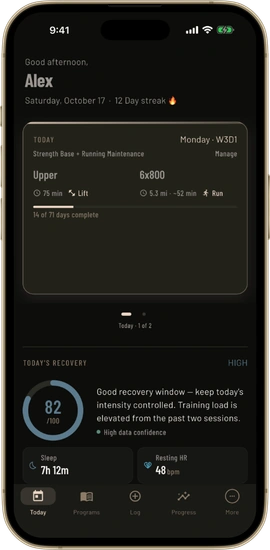
Today dashboard Today

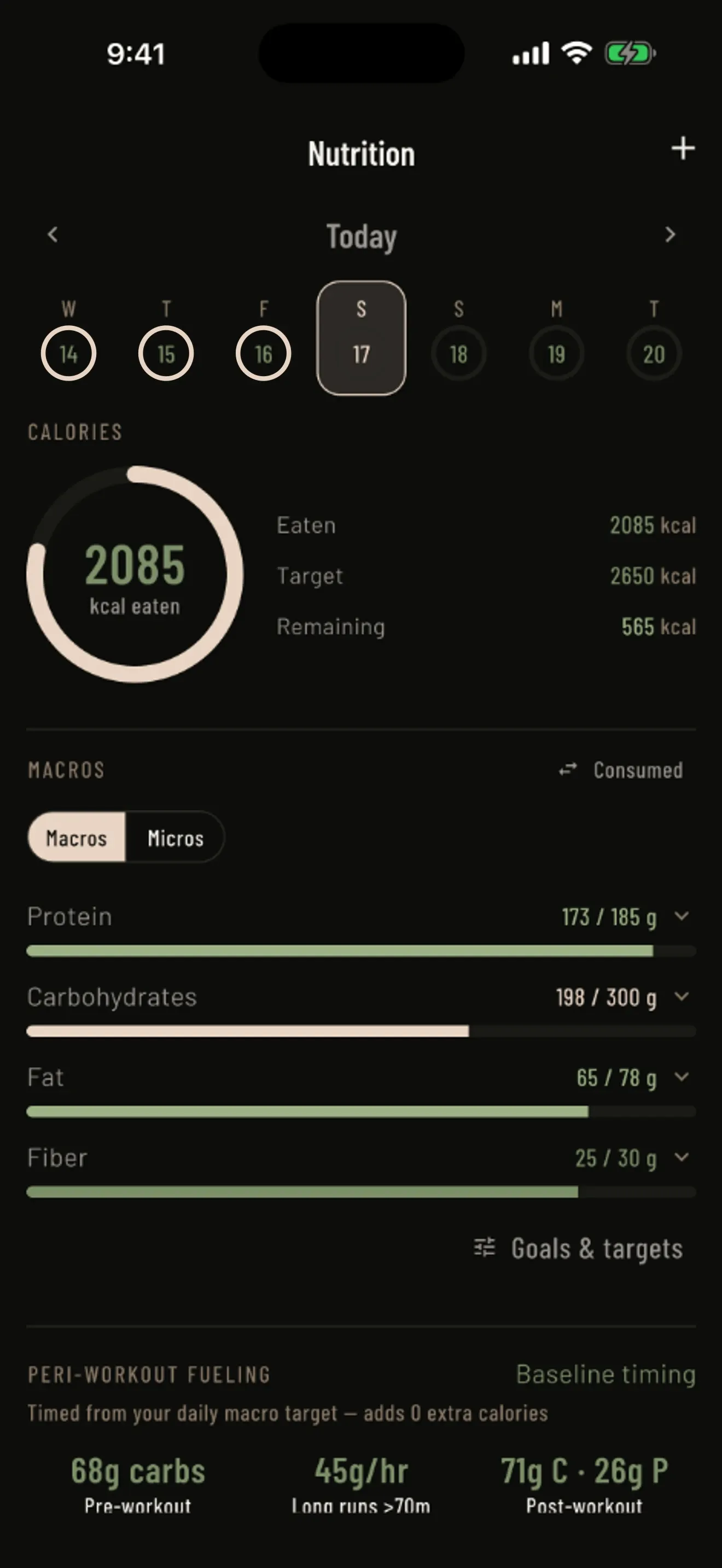
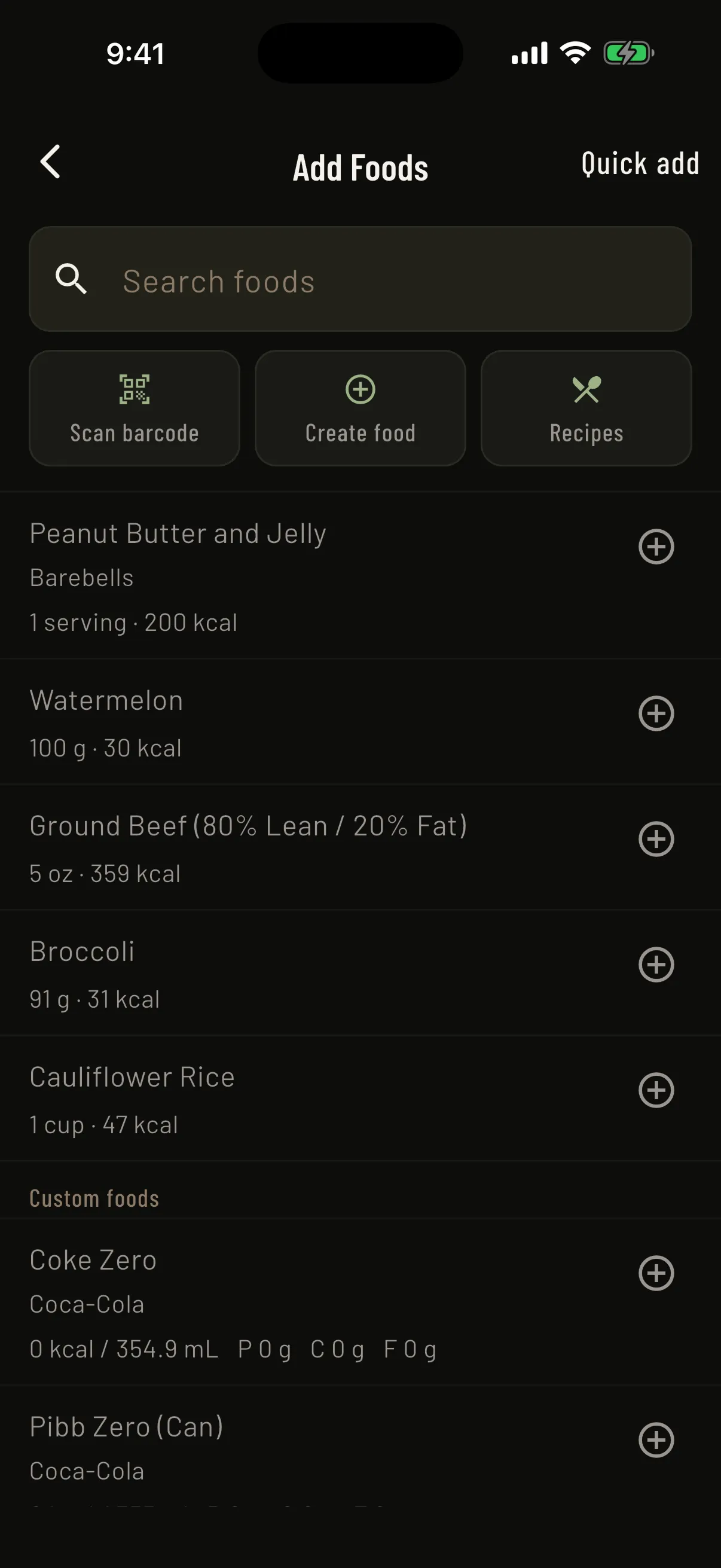
Matches the app card stack: recovery, today's workout, coach note, and summary metrics. Compact, no fluff.

recovery · workout · coach note · metrics
02 / 12

Workout logger Lift

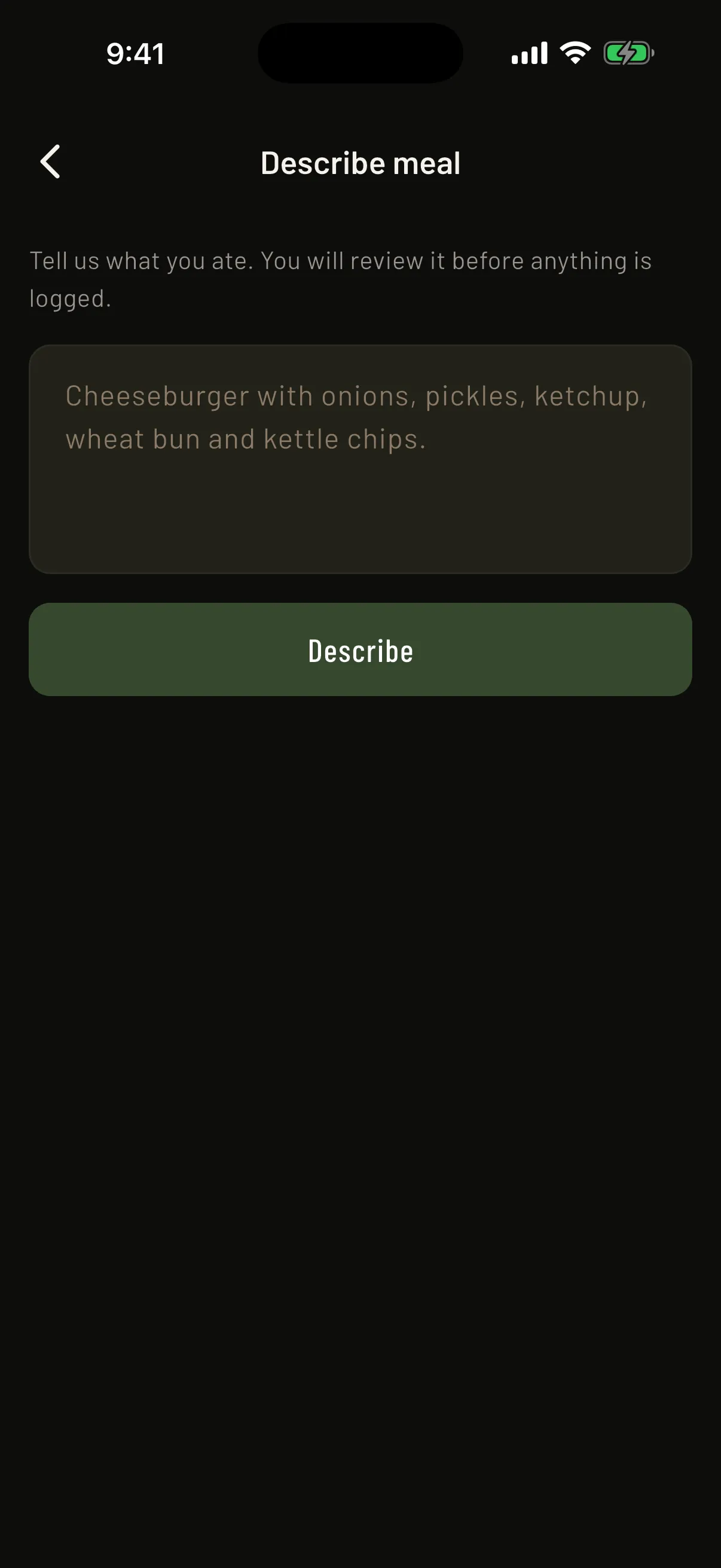
Uses the same structure as the app logger: custom number pad, warm-up sets, RIR / RPE capture, rest timer, swaps, and set type controls.

numpad · rir · warm-ups · rest timer
03 / 12

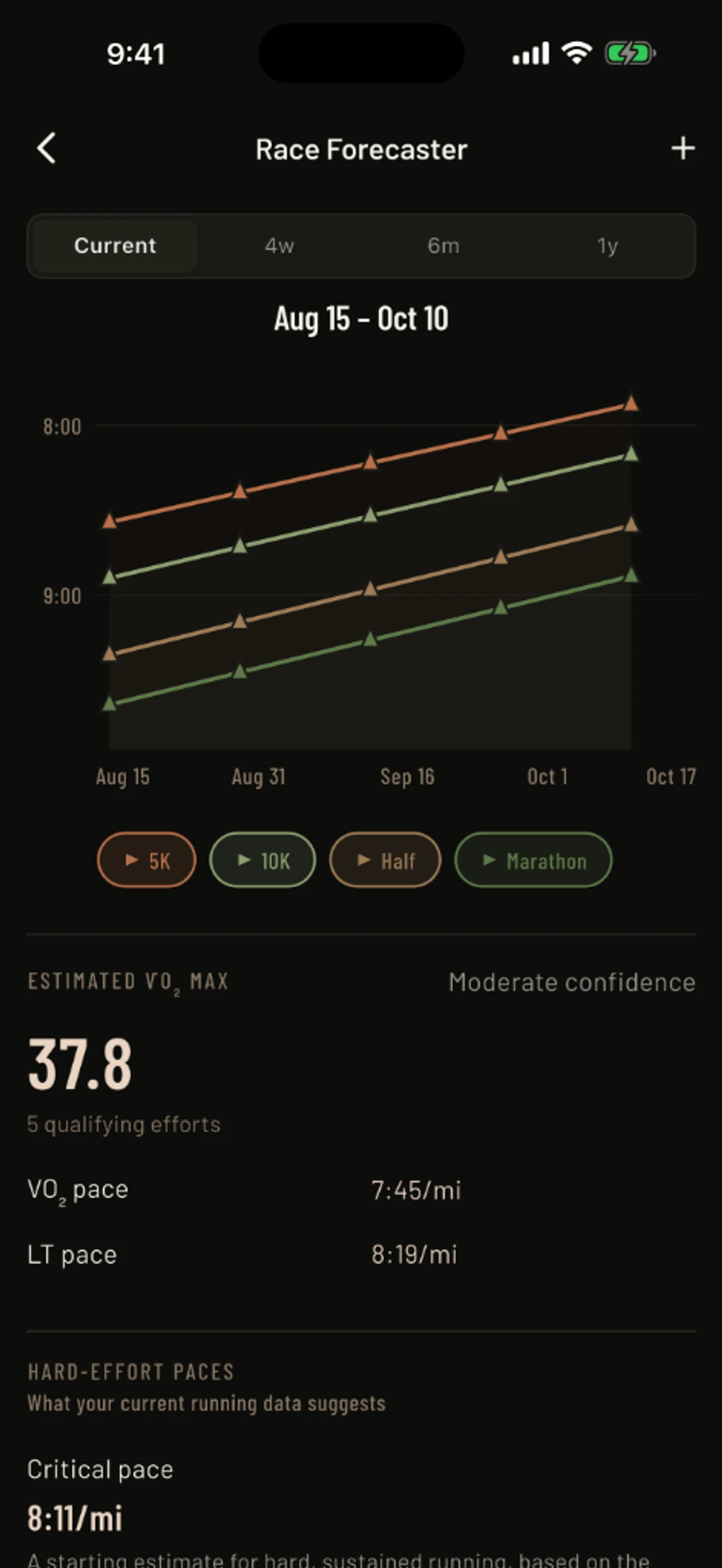
Run calculator Run

Shows the same Daniels-style prediction card as the app: VDOT, training paces, race estimates, and detraining adjustment when needed.

vdot · pace zones · predictions
04 / 12

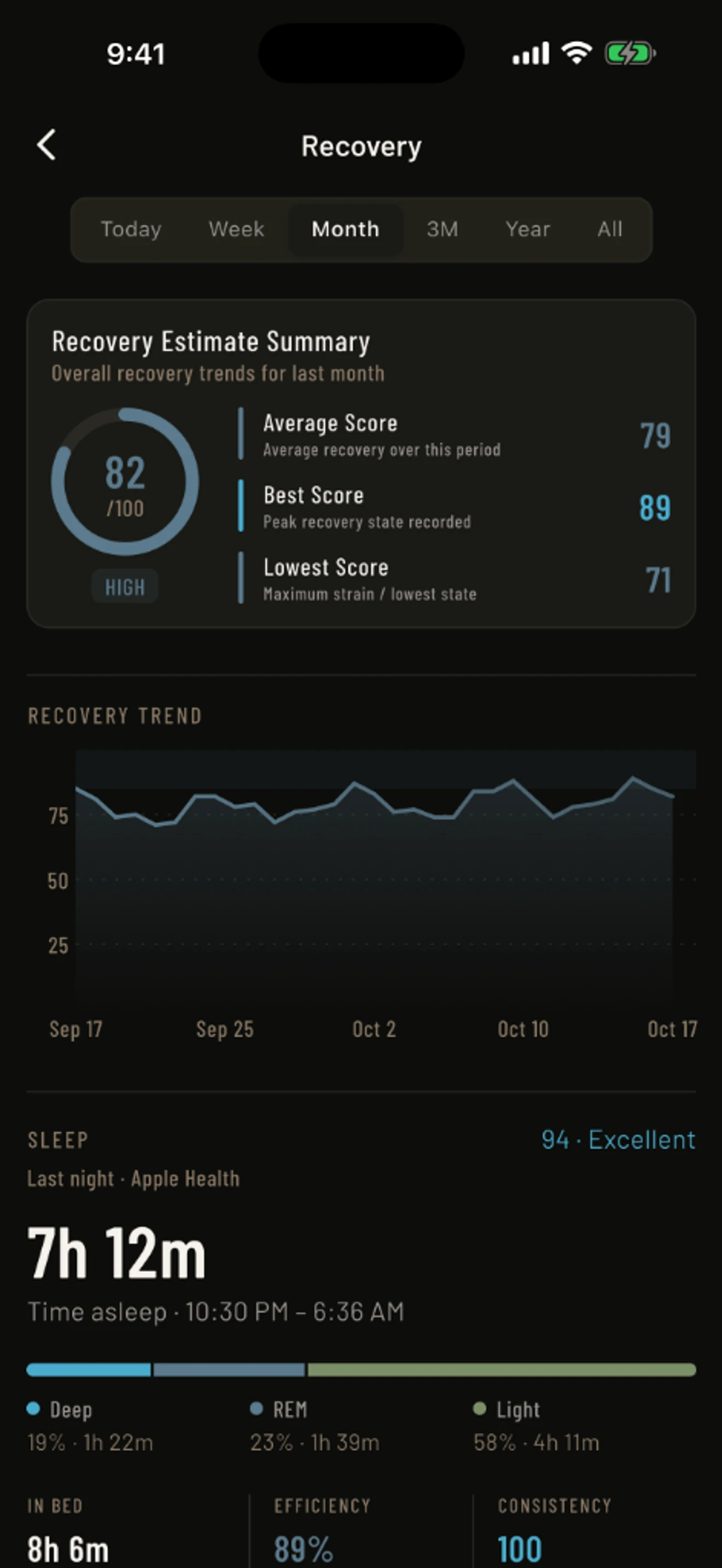
Recovery card Recovery

Follows the app layout: score ring, readiness text, component recovery bars, and short limiting-factor callouts.

score ring · readiness · limiting factors
05 / 12

Exercise swap sheet

Matches the app’s swap flow: same muscle, same equipment, injury-aware substitutions, and clear swap choices in a bottom sheet.

same muscle · same equipment · injury-safe
06 / 12

Progress cards

Mirrors the app’s dense analytics cards for recovery, body weight, running history, exercise records, and volume tracking.

analytics cards · trends · summaries
07 / 12

Program builder

Matches the custom setup flow: goals, schedule, experience, injuries, equipment, training philosophy, and session length.

goals · schedule · equipment · injuries
08 / 12

Goals & check-ins

Maps to the profile and goals surfaces in the app where users set targets, event dates, and recovery preferences.

goals · check-ins · readiness
09 / 12

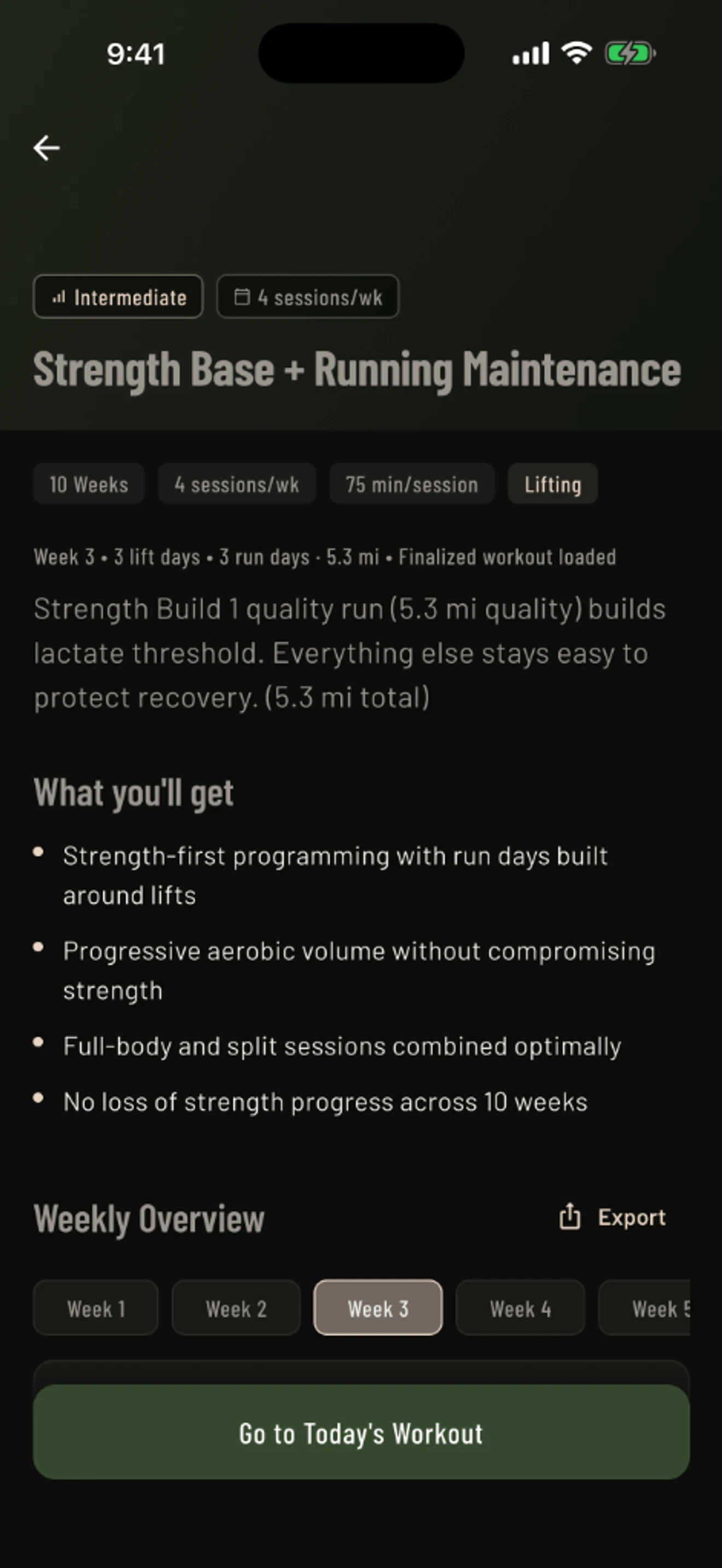
Pre-built programs Premium

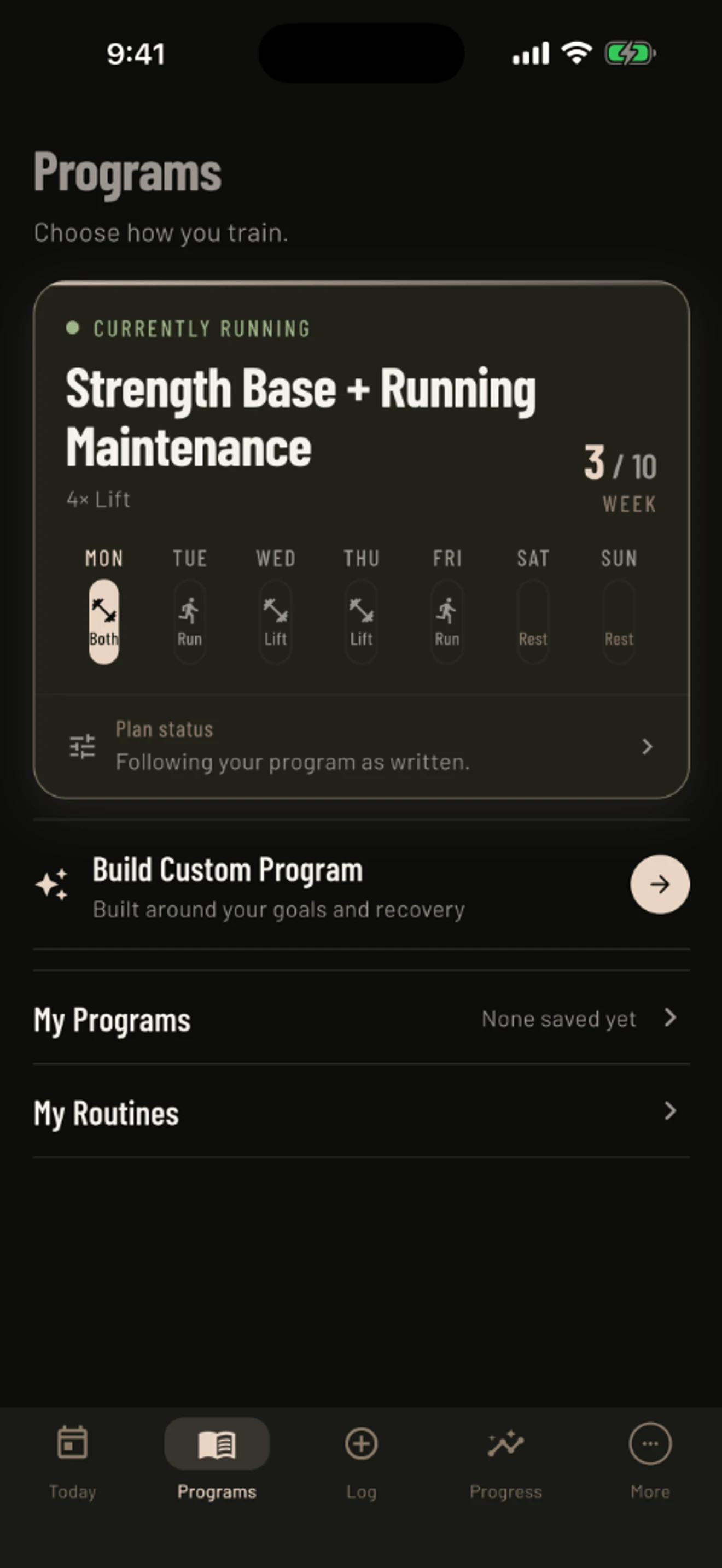
3 polished programs at launch: beginner hybrid foundation, running base plus strength, and strength base plus run maintenance — with customization layered on top.

3 launch programs · customization layer
10 / 12

Workout share card

Uses the same logo treatment and card language as the app's share feature so the brand feels consistent outside the app.

share card · logo · consistency
11 / 12

Keyboard-aware forms

Matches the app’s newer input behavior so keyboards dismiss cleanly while the user scrolls through forms and sheets.

tap away · drag dismiss · forms
12 / 12

Progress dashboards

Mirrors the app's recovery history, running history, body-weight, and exercise-record cards so the website feels like the app's surface area.

recovery history · run history · volume
§02 — Two disciplines, one app

Purpose-built for the lift. Purpose-built for the run.

Most hybrid apps are a lifting app with a stopwatch bolted on. Mass in Motion treats running and lifting as equals with their own first-class tools.

◼ Lifting

A logger that gets out of the way.

Built for loaded barbells and a chalked-up phone. Number pad always visible at the bottom. Previous set auto-filled. Rest timer auto-starts on checkmark.

  • 01
    Custom number padNo system keyboard. Quick-add +2.5 / +5 / +10.
  • 02
    RPE & RIR captureScale of 1–10 with in-context definitions.
  • 03
    Exercise carouselJump between movements without losing state.
  • 04
    Swap mid-workoutSame muscle, same equipment, no injury conflicts.
Back Squat · Set 3 of 5 225 lbs × 5
◼ Running

Zones, pace, and the 80/20 rule.

Your watch is the radio; the app is the mission control. Zone distribution, VDOT-based pace prescriptions, and long-run physiology baked into every plan.

  • 01
    VDOT pace targetsFrom a recent race or time trial — not guesswork.
  • 02
    HR zone displayLive zones 1–5 with color-coded band.
  • 03
    80/20 enforcementPlans default easy; hard days are earned.
  • 04
    Garmin importAuto-import runs with laps and route polyline.
Last run · 42:18 · 8.04 km 5:15 /km avg
Z1 14%
Z2 51%
Z3 22%
Z4 9%
Z5 4%
EasyEnduranceTempoThresholdVO₂
§03 — Programs at launch

Three polished programs. Algorithm-built, not AI-generated.

Launch starts with the 3 pre-made programs already in the app, plus the customization layer on top. Plans are generated by a deterministic algorithm — designed and tuned by a human — following the same non-negotiables every time.

Hybrid Free trial

Beginner Hybrid Foundation

Your first 8 weeks. 2 lift days, 2 run days, 3km → 8km long run. Full-body lifting 2×/wk with foundational movements.

8 wk · 4d/wk Beginner
Run focus

Running Base + Strength

Maffetone-inspired base building. 3 run days, 2 lift days. Engine first, strength maintained as a buffer.

10 wk · 5d/wk Intermediate
Lift focus

Strength Base + Run Maintenance

Push / pull / legs with maintenance miles twice weekly. Build mass without losing the ability to hold a conversation on a 10K.

10 wk · 5d/wk Intermediate
§04 — The intelligence layer

An algorithm that actually reads your body.

Most training apps are glorified spreadsheets. Mass in Motion blends HRV, resting HR, sleep, training load, stimulant timing, and injury flags into a single daily score — and rewrites tomorrow's workout if it needs to.

  • 01
    EWMA acute-to-chronic workloadSeparate for run and lift, plus combined — calibrated nightly.
  • 02
    Recovery pool modelLower body, CNS, and connective tissue tracked independently.
  • 03
    Deload auto-triggerWhen recovery trends red or 4 weeks since last deload.
  • 04
    Injury contraindication engineFlag an area, the algorithm auto-swaps lifts forever.
  • 05
    Stimulant cutoff warningsCaffeine and nicotine timing vs. sleep onset.

Works with what you already wearApple Health · Google Health Connect · Garmin Connect

Apple HealthiOS · read + write
Garmin ConnectOAuth sync
Health ConnectAndroid
OuraPlanned post-launch
WhoopPlanned post-launch
§05 — Pricing

FOURTEEN DAYS FREE. Then decide.

One tier, both platforms, every feature. No ad-supported version, no "basic plan" with half the programs locked.

Monthly
$12.99 / month

Month-to-month. Cancel any time from your App Store or Play Store.

  • All 3 launch programs
  • Full recovery & ACWR algorithm
  • Wearable sync (Apple / Google / Garmin)
  • Offline-first logging
  • PRs, streaks, and badges
14-day free trial
Save 49%
Annual
$79.99 / year · $6.67/mo

Best value for athletes on a full race season or multi-block plan.

  • Everything in monthly
  • Data export (CSV) for your coach
  • Early access to new programs
  • Waitlist bonus: locked-in price for life
  • Founding member badge
14-day free trial · price locked for waitlist
§06 — FAQ

Questions, answered straight.

No hedging, no marketing-speak. If it's not here, email massinmotionapp@gmail.com.

When does Mass in Motion actually launch?

Targeting Q2 2027 on iOS and Android. We're a solo-founder project (currently v0.1.0, Sprint 7 of 11), so we'd rather ship late than ship broken. Waitlist members get TestFlight and Firebase App Distribution beta access ahead of the App Store / Play Store launch.

Do I need a Garmin or Apple Watch?

No. Everything works with manual entry. But if you have Apple Health, Google Health Connect, or a Garmin, we'll auto-import runs, HR, HRV and sleep so the algorithm has more to work with.

Is there a companion watch app?

Not at launch. We read from your wearable rather than write to it — that means no watch-face wrangling, no battery drain, and no second place to check stats.

What makes this different from a lifting app with cardio slapped on?

Programming rules that are actually enforced: heavy lower body never within 24 hours of a long run, 80/20 running intensity by default, lower-body gym volume auto-reduced on peak mileage weeks, and a deload every fourth week no matter how good you feel.

Can I use my own program?

Plan customization (Sprint 7) is in active development — modify any pre-built program or build your own. At launch you'll have 3 pre-built programs, plus the customization layer on top.

What happens if I get injured?

Flag the area in settings — knee, shoulder, lower back, whatever. The algorithm auto-removes contraindicated lifts, substitutes safe alternatives, and reduces running load until you clear the flag.

Does it work offline?

Yes, by design. Every tap writes to local storage first and syncs when connection returns. Built for gym basements, trail runs, and airplane mode.

Does AI write the programs or pick exercises?

No. Programs are generated by a deterministic algorithm — the algorithm itself was designed and tuned by a human, but no language model is inventing exercises, substituting lifts, or assembling plans on the fly. Every selection, substitution, and progression follows explicit, repeatable rules grounded in published training science: ACWR (Impellizzeri 2020), session-RPE training load (Foster 2001), and exponential recovery pools (Banister 1991).

Carry the Momentum.An athlete in motion stays in motion.

Join the waitlist for TestFlight + Play beta access ahead of the Q2 2027 launch, locked-in founding-member pricing, and a quiet monthly note when we cross each sprint milestone.